
For five years I've sat with users and turned what they say, and don't say, into direction teams can actually use.
I've done this across government, global consumer brands, and Fortune 500 tech companies, and each one taught me something different about how organizations listen, or struggle to. At the NYC Mayor's Office of Nightlife, that meant understanding communities most research overlooks. With global spirits brands, it meant navigating cultural nuance across markets. With enterprise tech clients, it meant turning messy human behavior into clear product direction.
Research that stops at the report doesn't interest me. I've built UX research practices from scratch inside organizations that never had one, and taught teams to keep asking the right questions after I'm gone. I've run cross-cultural studies, pushed through hard stakeholder conversations, and caught gaps in a client's understanding before they turned into expensive mistakes.
I bring mixed-methods fluency, but what I actually bring is curiosity about people and an intentional insistence that their voices show up in what gets built.
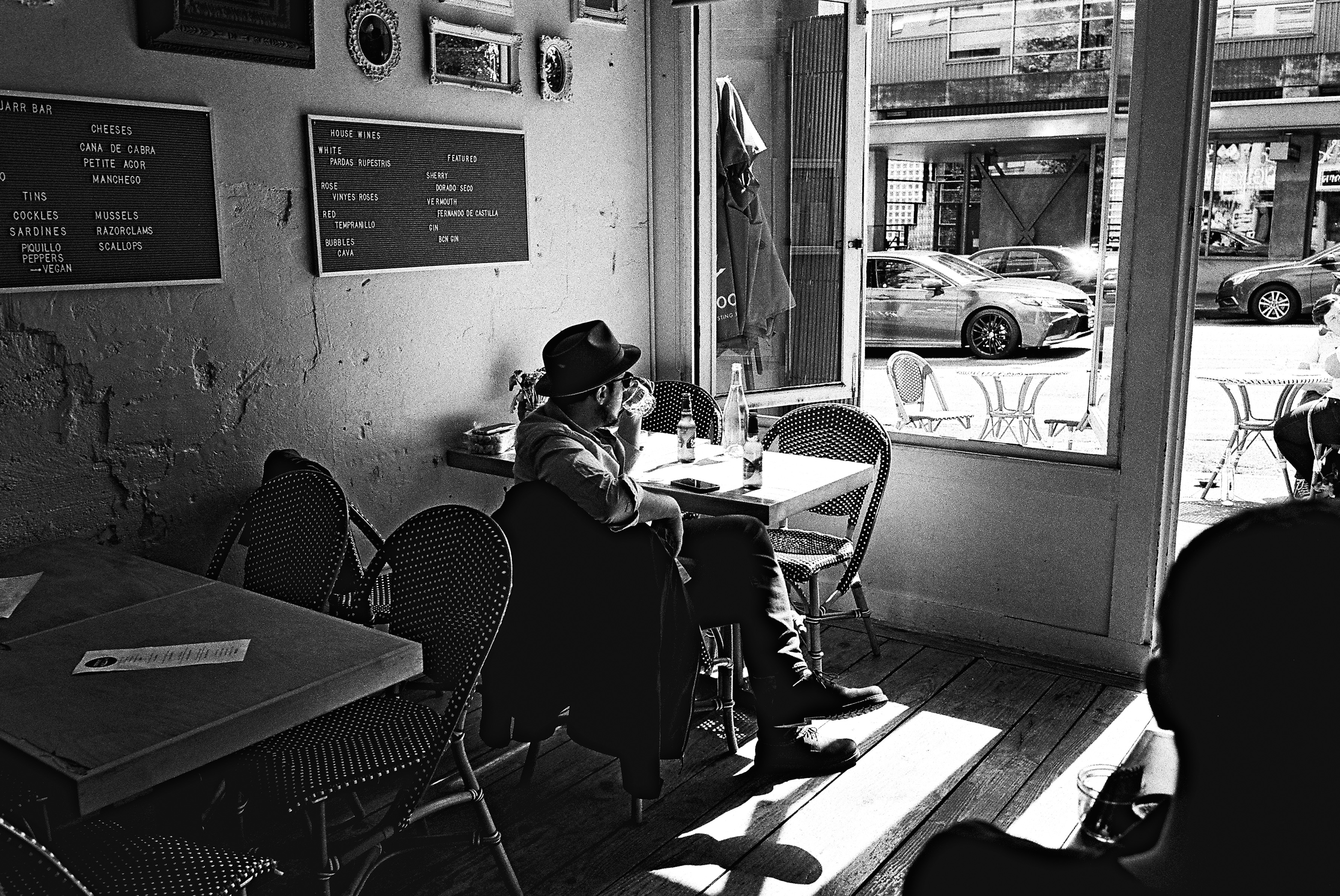
Afternoon light
Seattle
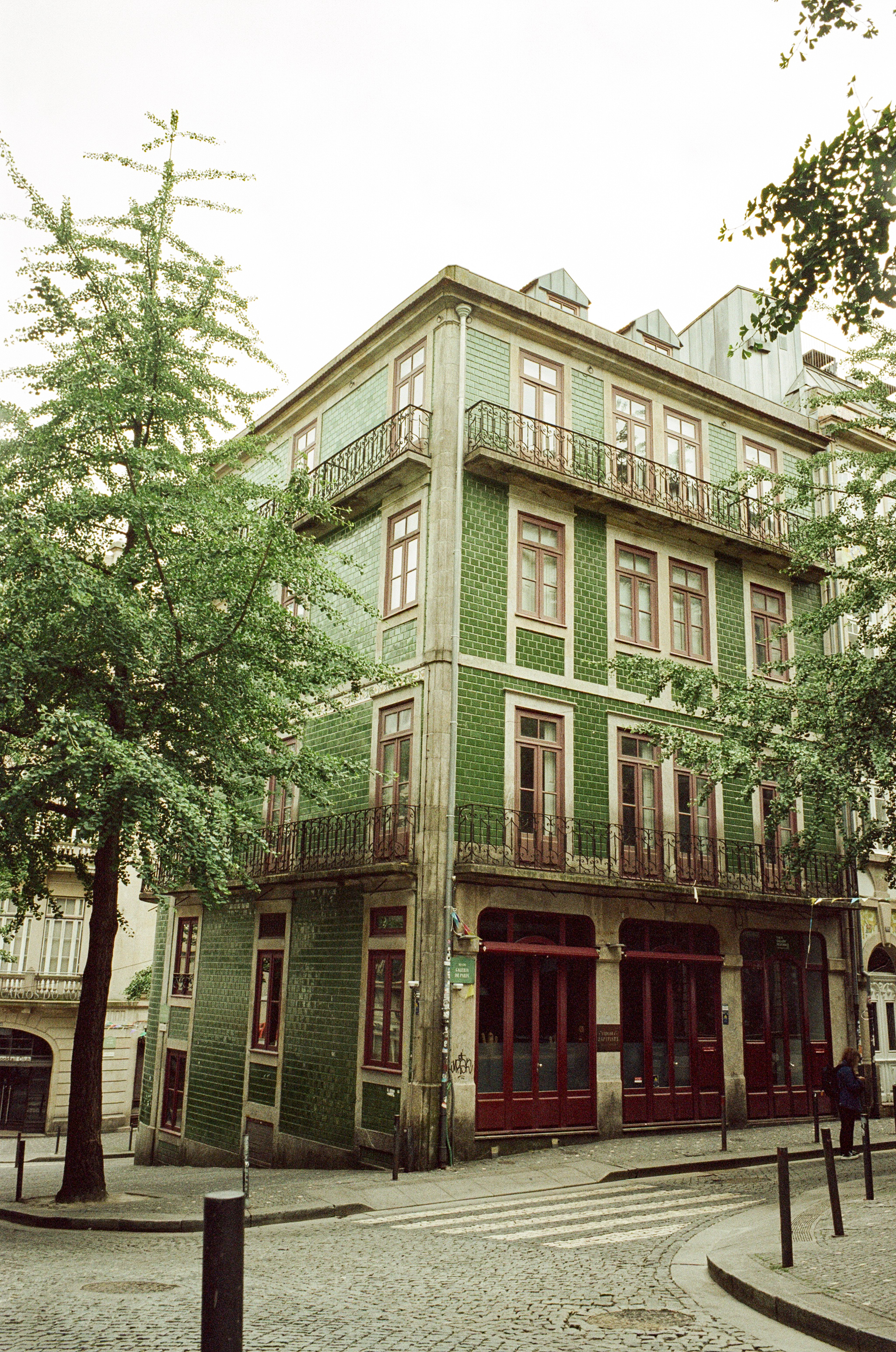
Azulejo corner
Porto
I carry a mechanical camera for the exact same reason I practice UX and Design: it demands deep situational awareness. With a fixed roll of 12 or 36 frames, there is no room for passive shooting. Every exposure requires patient observation, an understanding of environmental constraints, and a sharp eye for how people naturally navigate and interact with the spaces around them.
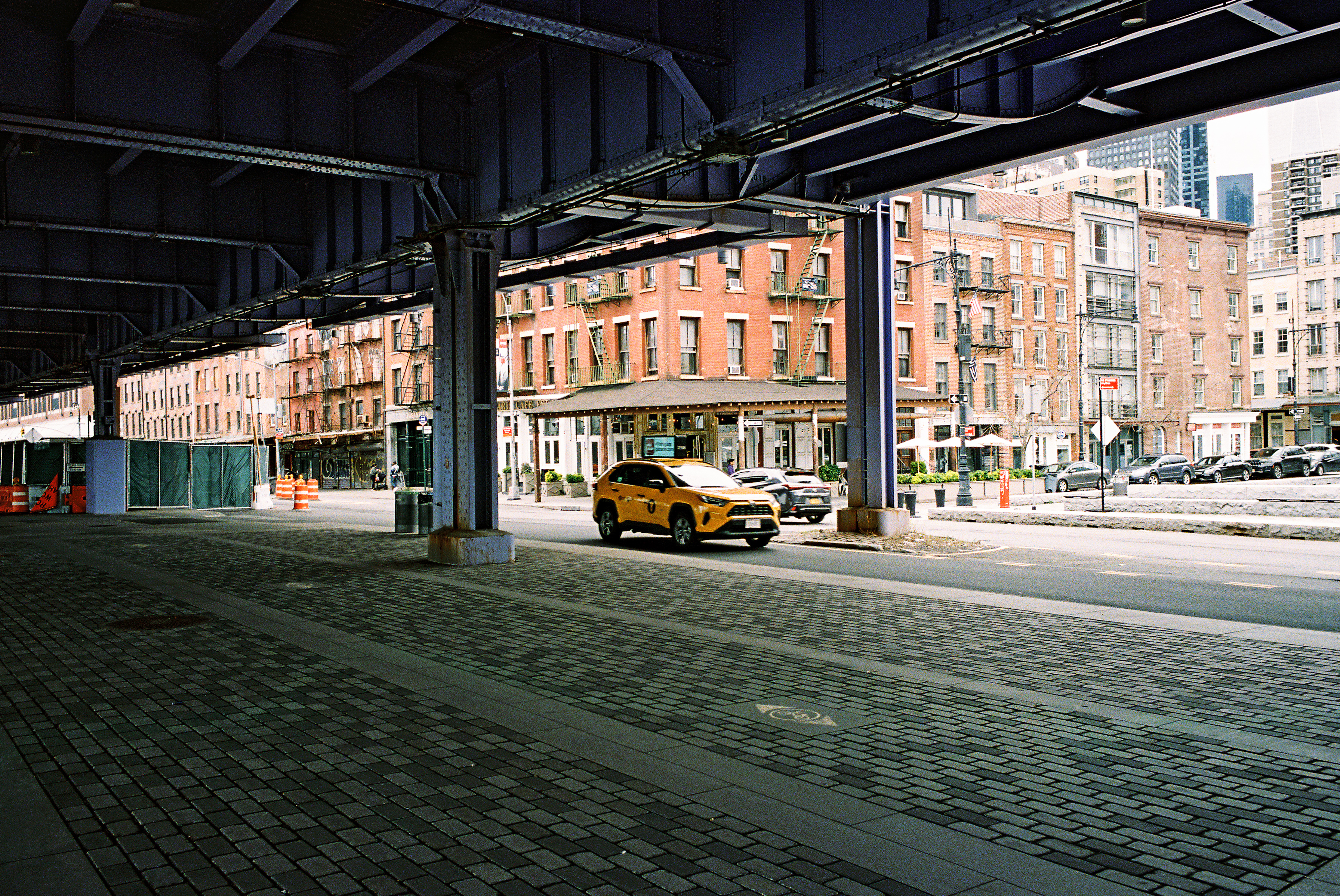
Under the tracks
New York
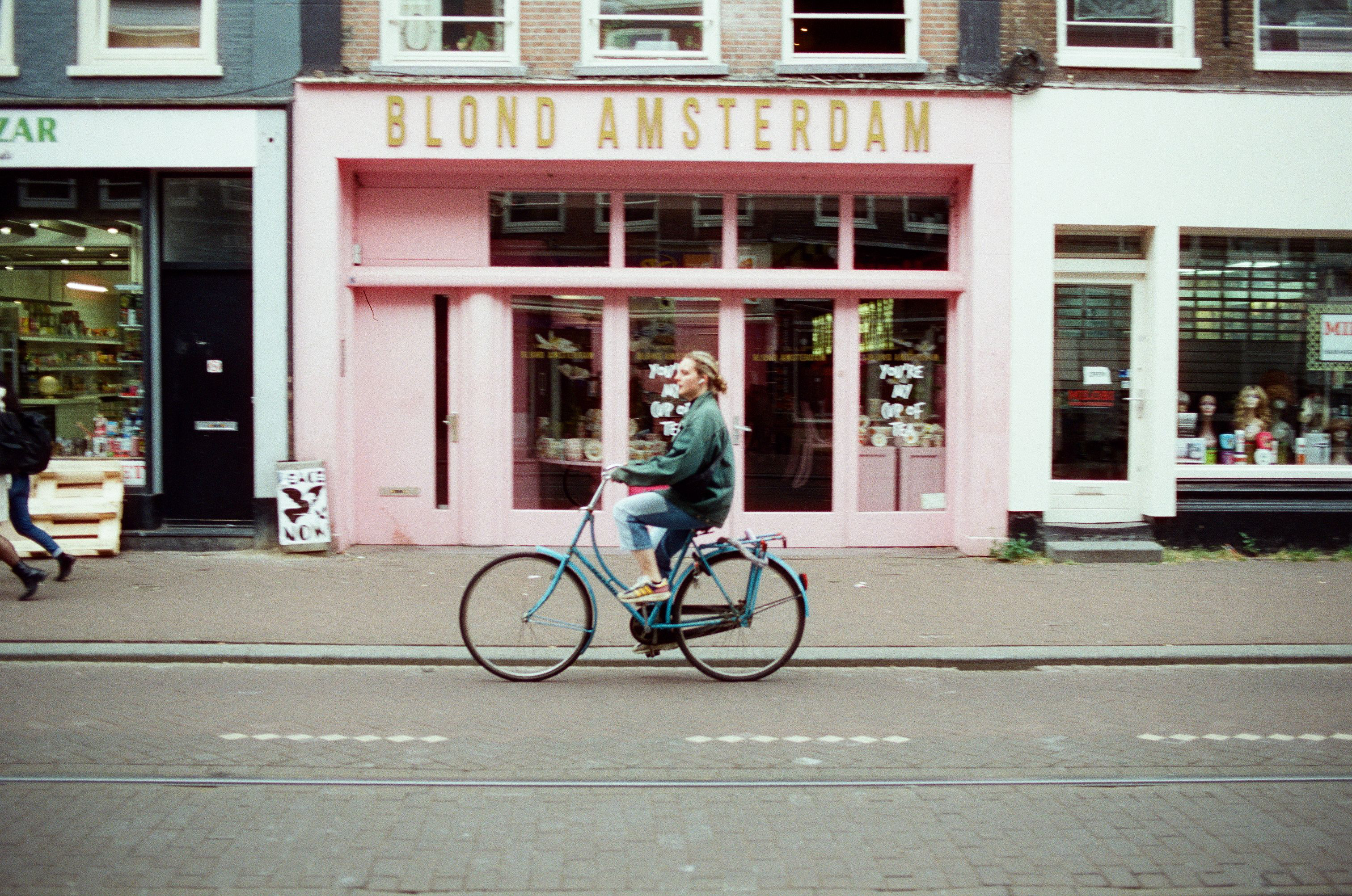
Passing blonde
Amsterdam
"A camera is a powerful tool for telling stories."
— Vivian Maier